
Meeting the Standard: Ghana’s SPS/QS Technical Committee Tackles Market Access
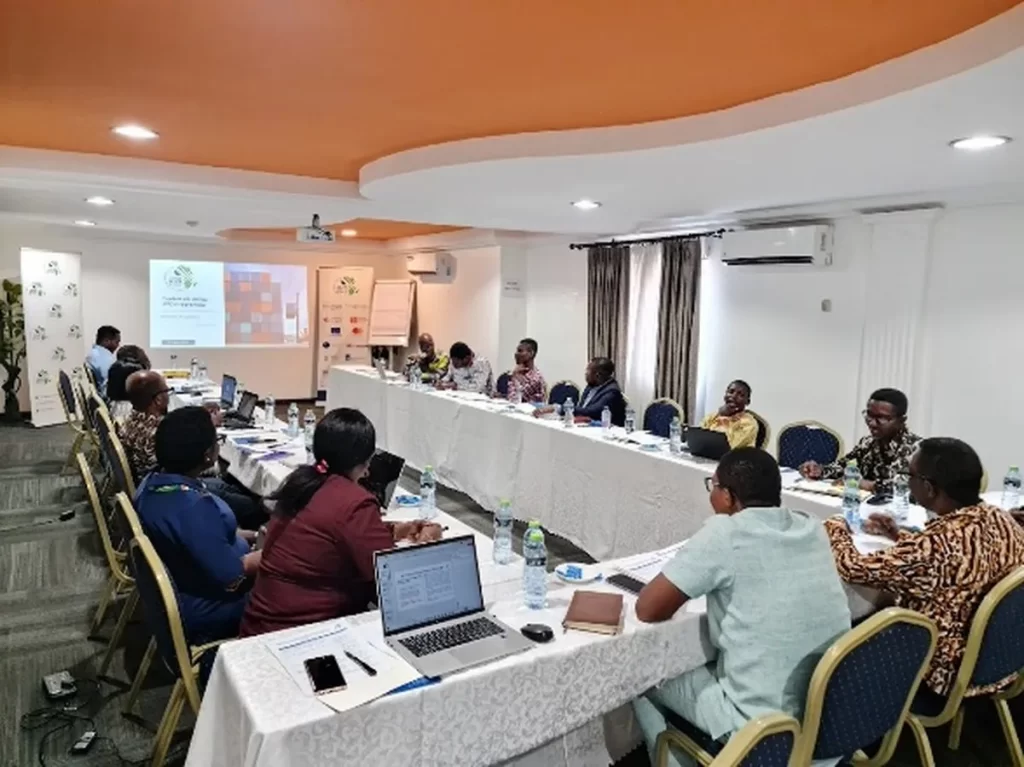
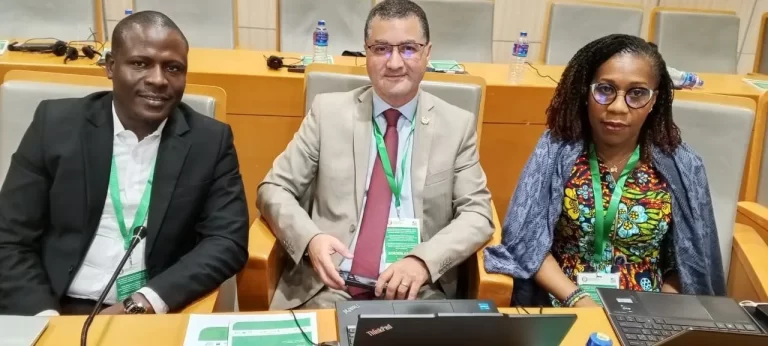
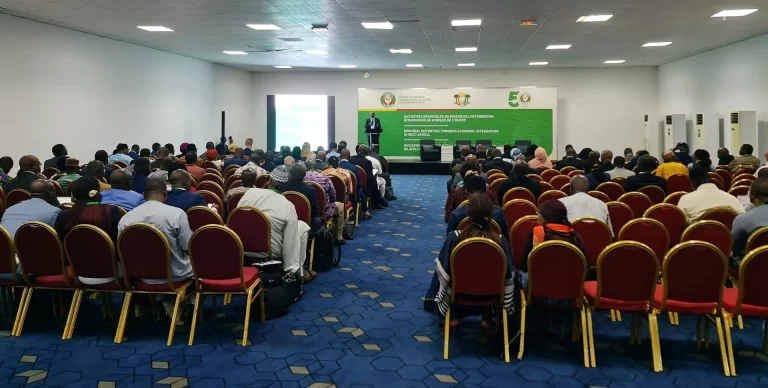
Trade facilitation is often discussed in terms of speed, how quickly goods clear a border, but a general meeting held in Accra on 10 and 11 April 2025 was a reminder that speed means little if the goods being moved cannot meet the standards required to be sold at their destination. The National SPS/QS Technical Committee convened in collaboration with TradeMark Africa to focus squarely on that other half of the equation: quality and safety.
SPS, short for sanitary and phytosanitary measures, and QS, short for quality standards, together form the regulatory backbone that determines whether food and agricultural products are fit to cross a border and enter a foreign market. A shipment can clear customs in record time and still be rejected, returned, or destroyed at its destination if it fails to meet the importing country’s sanitary or quality requirements, a costly outcome that no amount of border efficiency can prevent on its own.
The committee’s agenda centred on increasing exports and trade in goods that meet higher quality and safety standards, framing standards compliance not as a bureaucratic hurdle but as the price of entry into markets worth having. For Ghanaian exporters, particularly in agriculture, meeting these standards is often what separates a product that stays confined to local markets from one that can compete regionally or globally.
Intra-African trade under the African Continental Free Trade Area received particular attention during the two-day meeting. AfCFTA’s tariff preferences are only as valuable as a country’s ability to actually deliver compliant products to fellow African markets, and a persistent challenge across the continent has been that many national standards regimes remain fragmented, under-resourced, or poorly harmonised with those of trading partners, undermining the market access that AfCFTA is meant to unlock.
Beyond the continental market, the meeting also considered targeted global markets, recognising that standards compliance opens doors well beyond Africa’s borders. European, Middle Eastern, and Asian markets each maintain their own sanitary and quality regimes, and Ghanaian exporters seeking to diversify beyond regional trade need a standards infrastructure capable of meeting whichever bar the target market sets, not a single uniform standard.
TradeMark Africa’s collaboration with the National SPS/QS Technical Committee reflects the organisation’s broader recognition that trade facilitation cannot stop at the border gate. Investments in faster customs clearance or joint border posts deliver only partial value if the goods passing through those improved facilities still fail to meet the quality thresholds required for market access, which is why standards work occupies its own dedicated committee structure alongside customs and infrastructure-focused bodies.
For Borderless Alliance, engagement with standards issues is a natural extension of its trade facilitation advocacy. The organisation’s core concern, the smooth cross-border movement of goods, is undermined just as thoroughly by a rejected shipment at the destination market as by a delayed one at the origin border, and staying engaged with SPS/QS discussions ensures that the Alliance’s advocacy addresses both halves of the trade journey rather than only the more visible border-crossing half.
The technical nature of standards work means its impact is often less visible than a border post handover or a ministerial summit, yet its consequences for Ghanaian traders and producers can be just as significant. A single upgraded sanitary certification process, or a single harmonisation agreement with a neighbouring country’s standards body, can open market access that had previously been effectively closed regardless of how efficiently goods moved through customs.
The two-day format allowed the committee to move beyond general discussion into more substantive technical exchange, the kind of detailed, sector-specific conversation that standards work typically requires. Meetings of this kind rarely produce headline announcements, but they build the incremental institutional capacity, shared understanding among regulators, exporters, and technical partners, that eventually shows up in export statistics rather than press releases.
Taken as part of the broader 2025 calendar of trade facilitation activity in Ghana, the SPS/QS committee meeting underscores a point that runs through much of Borderless Alliance’s year: cross-border trade improves not through any single reform but through parallel progress on multiple fronts, infrastructure, procedure, and standards alike, each requiring its own dedicated institutional attention and its own quarter-by-quarter momentum.