
TradeMark Africa’s Country Committee Takes Stock: The Fourth Quarterly Meeting in Accra
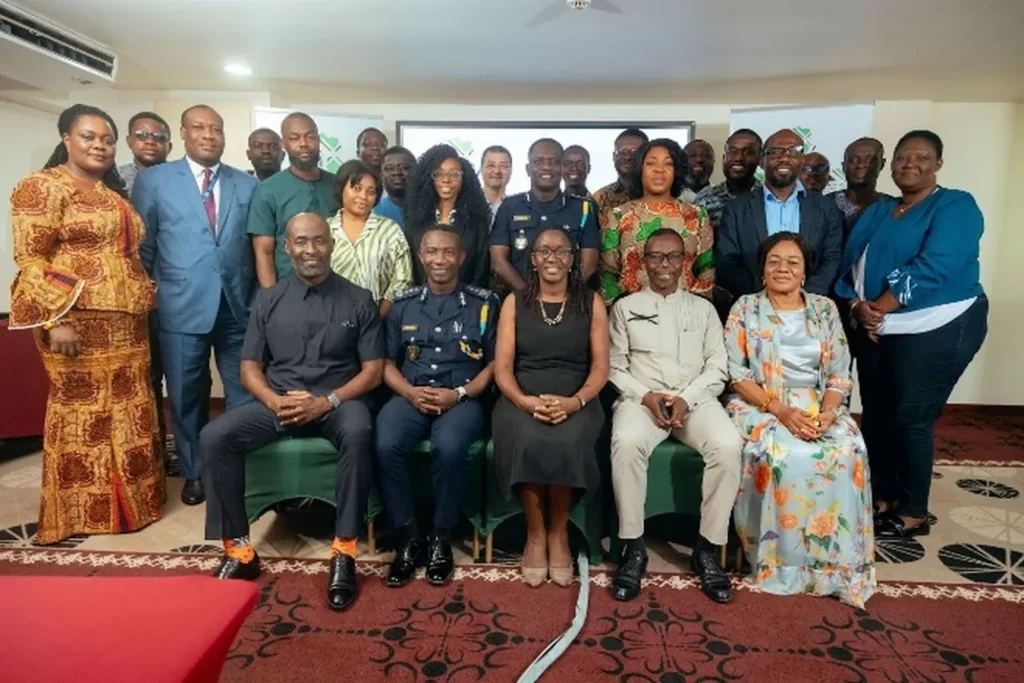
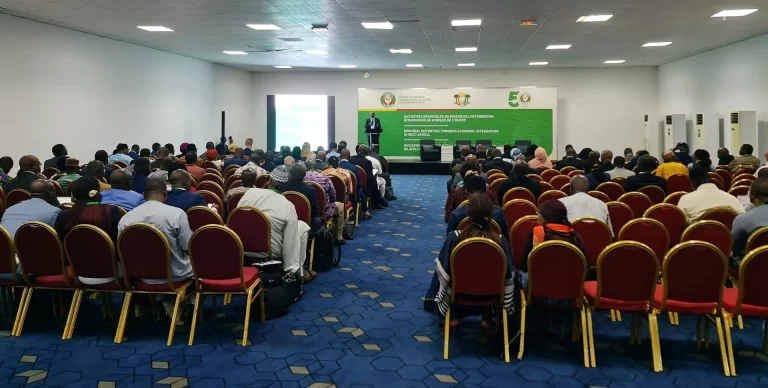
Two days after inspecting the Akanu Joint Border Post firsthand, the Country Programme Oversight Committee of TradeMark Africa for Ghana gathered at the Alisa Hotel in Accra for its Fourth Quarterly Meeting. The timing was deliberate. Rather than let the impressions from a physical site visit fade into memory, the committee brought them straight into a formal review, still fresh, while the details of what had been seen at the border post were easy to recall and hard to gloss over.
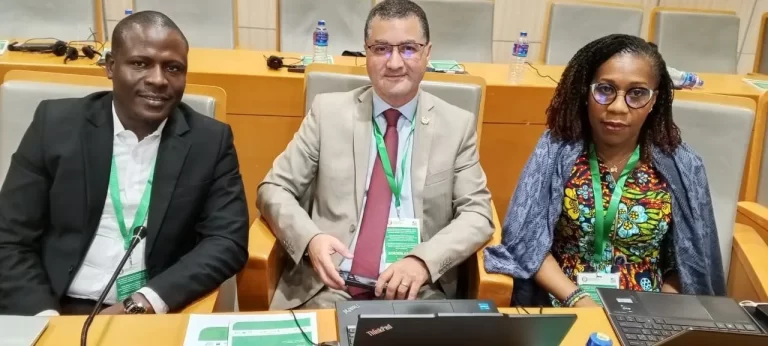
TMA CPOC-GH exists as the structure through which TradeMark Africa’s various partners and members in Ghana, Borderless Alliance included, hold the organisation’s West Africa programme accountable to the country it operates in. A programme funded and designed at a regional or continental level can drift from local realities if nobody is checking in regularly; the quarterly meeting is that check-in, recurring often enough that problems get caught before they compound.
The first item of substance was the just-ended trip to Akanu. Members used the meeting to walk back through what the technical visit had surfaced: the state of construction, the repairs still outstanding, and the agreements reached in the bilateral session with border agencies from both Ghana and Togo. TradeMark Africa is the party supporting the installation and upgrading of essential structures at the post, and the committee’s role here was to confirm that this support was being translated into the kind of normal, functioning operations that a joint border post is supposed to deliver.
Beyond Akanu, the meeting served its standing function as a platform for stocktaking across the entire portfolio of activity that TMA CPOC-GH oversees. TradeMark Africa’s Ghana programme does not consist of a single project; it spans trade facilitation reforms, border support initiatives, and capacity-building efforts carried out with a range of partners and members, each moving at its own pace and facing its own obstacles. A quarterly meeting is where those separate threads get pulled together into a single, comparable picture.
This kind of stocktaking matters because trade facilitation work is inherently fragmented. A reform to customs procedures, an infrastructure upgrade at a border post, and a capacity-building workshop for frontline officers might each be progressing on schedule in isolation, yet still fail to add up to a smoother trading experience if they are not coordinated. The committee’s job is to hold the fragments up against each other and ask whether the overall direction still makes sense.
For Borderless Alliance specifically, sitting on this committee is one of the more direct channels through which the organisation can shape how trade facilitation support actually gets delivered in Ghana, rather than simply commenting on it after the fact. Advocacy work of the kind Borderless Alliance is known for, pressing for smoother movement of goods and people, needs an institutional foothold to be effective, and TMA CPOC-GH provides one of those footholds inside a major donor-backed programme.
The meeting’s practical outcome was to ensure the smooth delivery of TradeMark Africa’s mandate in Ghana, a phrase that understates how much coordination it requires. Delivering a mandate smoothly means catching delays before they become entrenched, flagging where partners are pulling in different directions, and making sure that the various members of the committee, agencies, businesses, and civil society representatives alike, remain aligned on priorities even as individual projects evolve.
Alisa Hotel in Accra has become something of a fixture for these gatherings, a recurring venue for a recurring institutional rhythm. There is a modest but real benefit to that consistency: participants know what to expect procedurally, which frees up the actual meeting time for substance rather than logistics, and it allows a body like TMA CPOC-GH to build the kind of working familiarity among its members that produces frank, efficient discussion rather than formal posturing.
The Fourth Quarterly Meeting also set a marker for what would follow across the rest of 2025 and into 2026, as the committee continued its pattern of convening roughly every quarter to review TradeMark Africa’s Ghana programme. Each of these meetings builds on the last, carrying forward unresolved issues and closing out ones that have been addressed, so that the committee’s institutional memory deepens with every sitting rather than resetting each time.
Taken together with the Akanu visit two days earlier, the Fourth Quarterly Meeting illustrates the two halves of how Borderless Alliance approaches trade facilitation oversight: get to the physical site and see the problem directly, then bring that evidence into the room where decisions about funding, priorities and next steps actually get made. Neither half is sufficient on its own, and the organisation’s continued participation in both is what gives its advocacy the credibility of firsthand knowledge.