
Looking Ahead to a New Fiscal Year: The Fifth Quarterly CPOC Meeting at Peduase
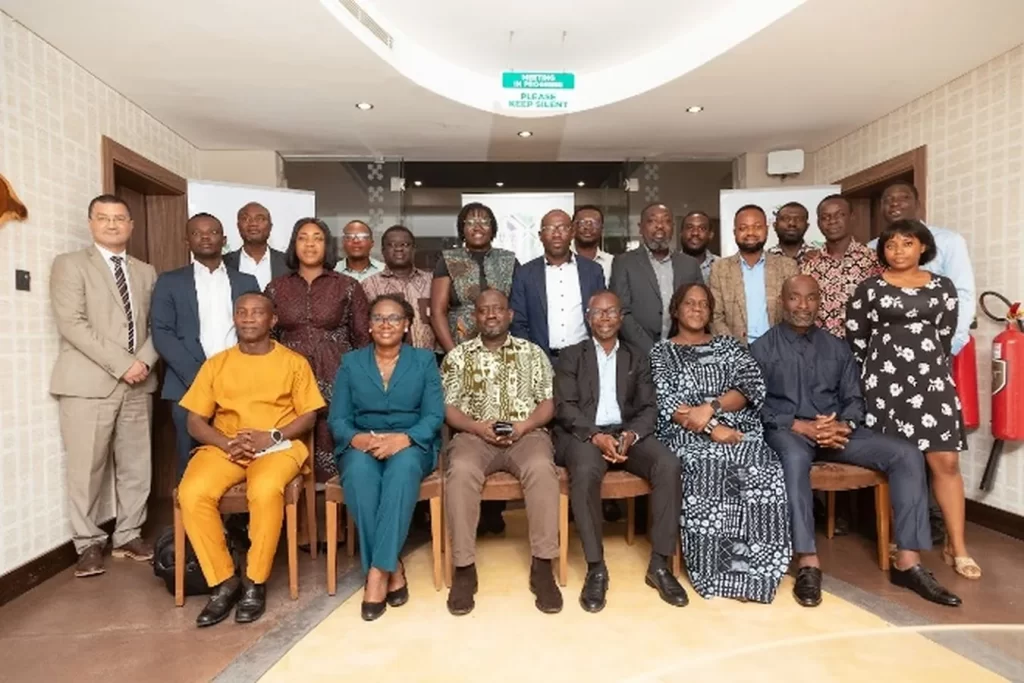
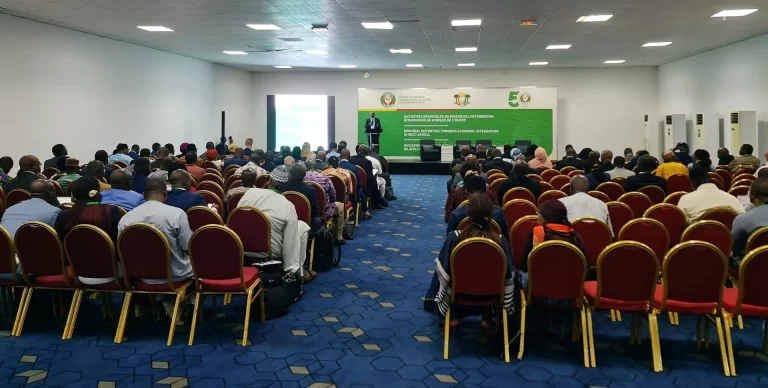
The Country Programmes Oversight Committee of TradeMark Africa returned to session on 29 and 30 May 2025, this time convening at Peduase Lodge, a retreat setting in Ghana’s Eastern Region that lent the gathering a more reflective, forward-planning character than a routine boardroom meeting might have allowed. This was the Fifth Quarterly Meeting of the committee, and its agenda looked further ahead than most of its predecessors had.
Where earlier quarterly meetings in the cycle had often focused on reviewing what had just happened, the Peduase session was structured around what would come next: a review of TradeMark Africa’s West Africa programme alongside the proposed activities for GCP FY 2025/2026, the coming fiscal year under TradeMark Africa’s Growth and Competitiveness Programme. Reviewing a forward work plan requires a different kind of scrutiny than reviewing completed activity, testing assumptions and priorities rather than simply verifying outcomes.
This forward-looking review gave TMA CPOC-GH members, Borderless Alliance included, the opportunity to weigh in on priorities before resources were committed rather than after, a meaningfully different point of leverage. Influencing an activity plan while it is still proposed can reshape which reforms get funded and which get deferred, whereas commenting on a plan already locked in for the year ahead can only really flag concerns for the following cycle.
A specific highlight of the meeting came from the Africa Trade Academy, which presented on the Status of Implementation of Women in Trade Initiatives in Ghana. This presentation connected directly to a theme that had already surfaced elsewhere in Borderless Alliance’s 2025 engagements, including the UN/FAO panel on women’s intra-regional trade held weeks earlier in Kampala, underscoring that gender-responsive trade facilitation was not an isolated talking point but a thread running consistently through the year’s institutional work.
The Africa Trade Academy’s presentation gave the committee a structured update on how far specific initiatives supporting women traders had actually progressed, moving the conversation from broad commitment to measurable status. Programmes aimed at supporting women in trade can proliferate on paper while stalling in implementation, and a dedicated status report is one of the few mechanisms that forces an honest accounting of which initiatives are genuinely operational and which remain aspirational.
The setting at Peduase Lodge, removed from the day-to-day interruptions of office life in Accra, gave the committee the kind of sustained attention that reviewing an entire fiscal year’s proposed programme genuinely requires. Two days is a substantial commitment of time for participants juggling other responsibilities, and the choice to hold this particular quarterly meeting as a retreat signalled that its agenda warranted more than the usual half-day sitting.
For Borderless Alliance, the Fifth Quarterly Meeting reinforced the organisation’s dual role within TMA CPOC-GH: reviewing the past quarter’s implementation while also shaping the year ahead. This combination, retrospective accountability paired with prospective input, is what gives the committee its ongoing relevance rather than reducing it to a formality that simply rubber-stamps whatever TradeMark Africa proposes.
The review of West Africa programme activity situated Ghana’s national concerns within a wider regional frame, since TradeMark Africa’s programming in Ghana does not operate in isolation from its work across neighbouring countries. Corridor-dependent trade facilitation, by its nature, requires this kind of cross-border coherence, and the committee’s engagement with the broader West Africa programme ensured Ghana-specific priorities were considered in that wider context rather than as a standalone concern.
The proposed FY 2025/2026 activities discussed at Peduase would go on to shape the cadence of trade facilitation work in Ghana for the following year, including the continued run of quarterly CPOC meetings and the specific initiatives, on standards, border infrastructure, and gender-responsive trade, that would follow through the remainder of 2025 and into 2026. The Fifth Quarterly Meeting was, in that sense, less an endpoint than a planning waypoint for everything that came after it.
What emerges from Peduase is a picture of trade facilitation governance as a genuinely iterative process, one where each quarterly meeting both closes out the previous period and opens the next, rather than treating each session as a self-contained event. Borderless Alliance’s consistent presence across this cycle, from Alisa Hotel in February to Peduase Lodge in May, reflects the sustained institutional commitment that this kind of oversight role demands.