
Validating the Evidence: The Abidjan-Lagos Corridor’s Technical Report Takes Shape in Lomé
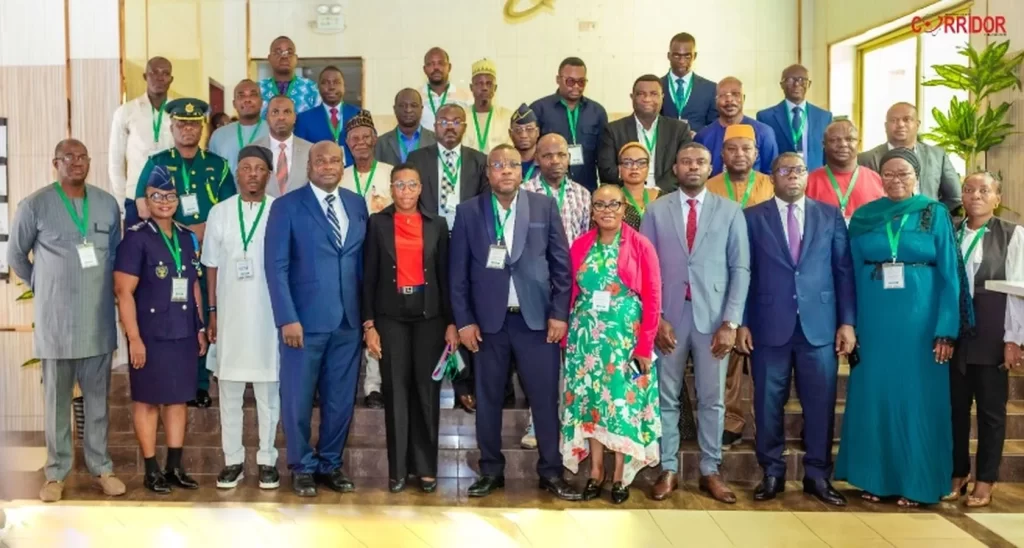
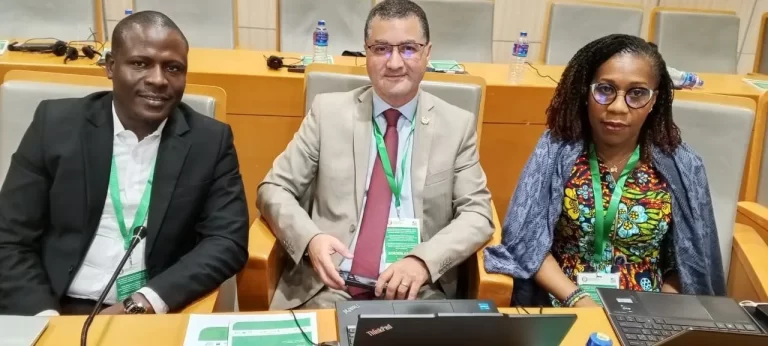
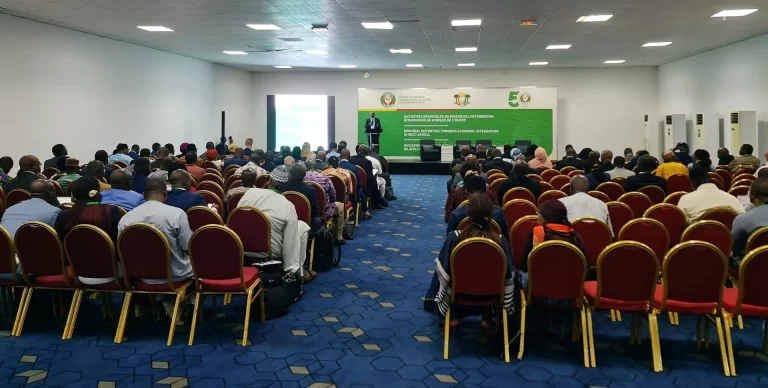
On 29 and 30 April 2025, technical experts and stakeholders from across West Africa converged on Lomé, Togo, for a Validation Workshop that would give formal shape to a document years in the making: the ALCO Technical Report for the Abidjan-Lagos corridor. Borderless Alliance was invited to take part, represented by Dr Guy-Donald Wilson, former Transport Specialist and a member of the organisation’s consultative group.
ALCO, the Abidjan-Lagos Corridor Organization, exists to coordinate the management and development of what is arguably West Africa’s single most important trade artery, the highway and border system connecting Côte d’Ivoire, Ghana, Togo, Benin, and Nigeria. Five countries, several major ports, and a population running into the hundreds of millions depend, directly or indirectly, on this corridor functioning efficiently, which makes any technical assessment of its performance a matter of genuine regional consequence.
A validation workshop occupies a specific and important place in the lifecycle of a technical report. It is not where the underlying research and data collection happen, that work precedes the workshop, but rather the moment when the findings are presented to the people who will ultimately have to act on them, or defend them, for scrutiny, correction, and formal endorsement. A report that skips this step risks being technically sound but politically and institutionally orphaned.
Dr Wilson’s presence as Borderless Alliance’s representative brought a private-sector and civil-society trading perspective into a process that can otherwise be dominated by government transport ministries and technical consultants. Traders and transporters who use the Abidjan-Lagos corridor daily experience its performance in ways that do not always show up cleanly in official data, delays that get absorbed informally, costs that get passed down the supply chain rather than reported, and a validation workshop is one of the few structured moments where that lived experience can be tested against the formal findings.
The corridor’s challenges are well documented even without a technical report: multiple border crossings, each with its own procedures and processing times; inconsistent infrastructure quality across national segments; and the perennial issue of non-tariff barriers, informal checkpoints and levies that add cost and time without adding any corresponding value. An ALCO technical report of this kind is meant to quantify these problems precisely enough that they can be targeted with specific interventions rather than addressed only in general terms.
The choice of Lomé as venue placed the workshop at one of the corridor’s own nodal points, a fitting location for a discussion about a route that only functions as a single corridor if each of its national segments, Togo’s included, performs its part. Hosting the validation session inside the corridor rather than at a remote conference venue kept the discussion tethered to the physical and institutional realities the report was actually assessing.
For Borderless Alliance, involvement in ALCO’s work reflects the organisation’s understanding that the Abidjan-Lagos corridor is not simply one route among many but the backbone of trade for Ghana’s neighbourhood. Ghana’s own trade performance is inseparable from how well this corridor functions, since goods moving to and from Ghana’s ports and border posts frequently form part of journeys that extend along the full Abidjan-Lagos stretch.
Technical reports of this kind, once validated, typically become the evidence base for subsequent investment decisions, whether by ALCO member governments, development partners like TradeMark Africa, or multilateral institutions considering where to direct infrastructure financing. The validation process in Lomé was therefore not merely an academic exercise but a step toward determining where real money and real reform attention would be directed on the corridor in the years following.
Dr Wilson’s specific background as a Transport Specialist meant his contribution to the workshop carried particular technical weight, allowing him to engage with the report’s findings on infrastructure and logistics performance with a depth that a purely advocacy-focused representative might not have brought. Borderless Alliance’s consultative group, of which he is a member, exists precisely to supply this kind of specialised expertise when the organisation needs to engage credibly on technical, rather than purely policy, questions.
The two-day workshop in Lomé closed with the ALCO Technical Report moving one step closer to its final, validated form, a modest but consequential milestone in the long process of turning research about the Abidjan-Lagos corridor into action on the ground. For Borderless Alliance, having a seat at that table ensured that whatever recommendations ultimately emerged carried input informed by the practical experience of the traders the organisation represents.