
Checking the Scorecard: Ghana’s NTFC Returns to Koforidua to Review WTO Commitments
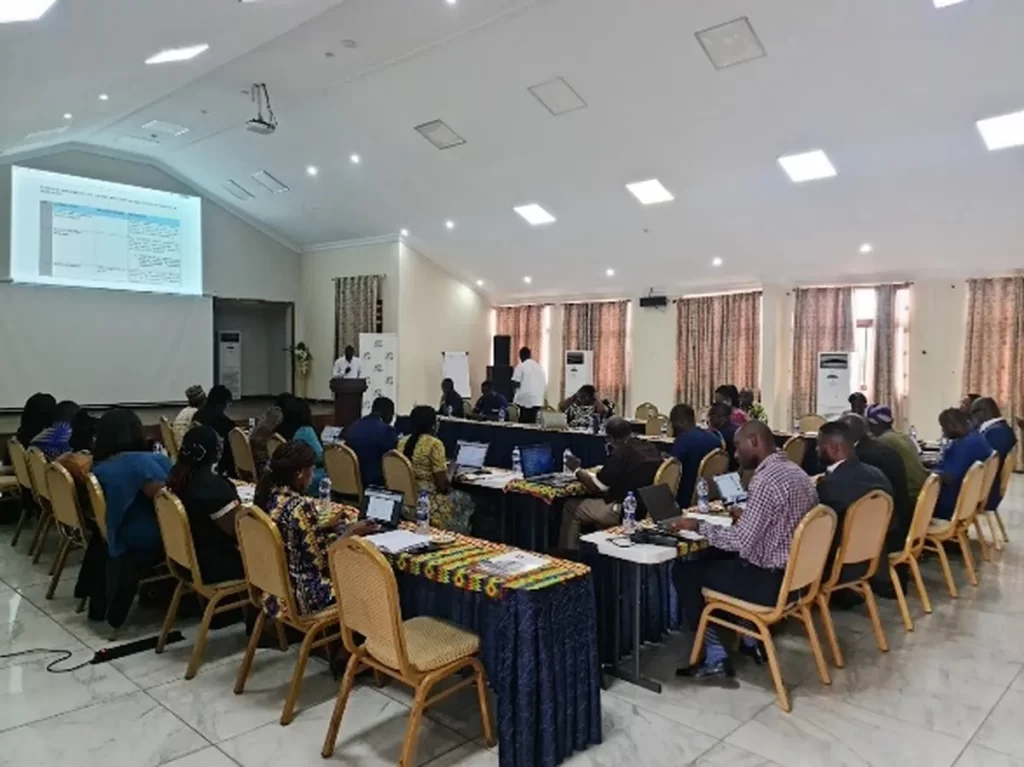
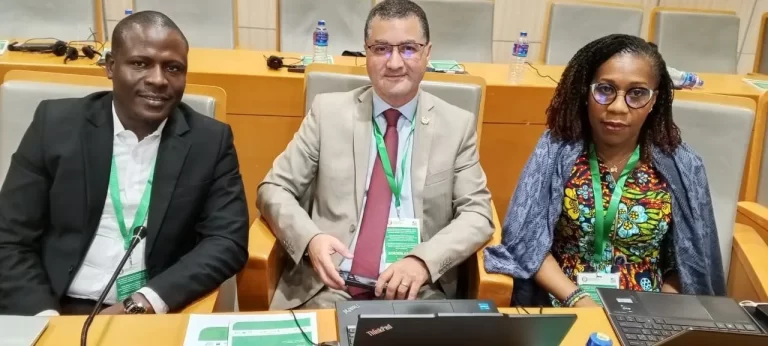
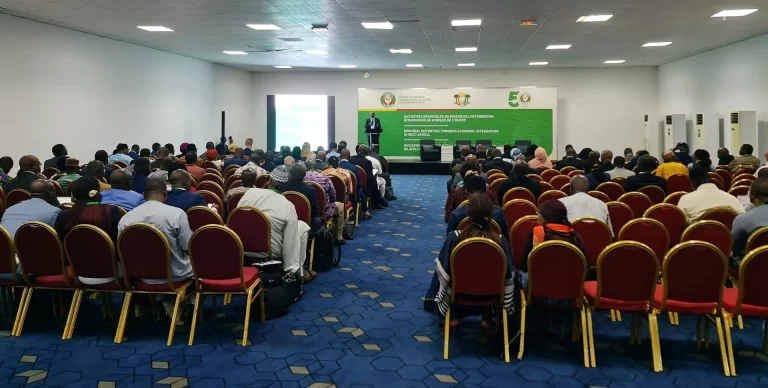
Six months after its first-quarter retreat in the same town, Ghana’s National Trade Facilitation Committee returned to Koforidua for its Second NTFC meeting, held from 3 to 5 September 2025. The setting was familiar, but the meeting’s specific focus, held in partnership with the Ministry of Trade, Agribusiness and Industry and with support from TradeMark Africa, had sharpened considerably since March: this session was built almost entirely around Ghana’s outstanding commitments under the WTO Trade Facilitation Agreement.
The World Trade Organization’s Trade Facilitation Agreement is not a single, one-time obligation but an ongoing framework of commitments that member countries progressively implement and formally notify to the WTO. Ghana, like many developing country members, had entered categories of commitments that required more time or technical assistance to fulfil, and by September 2025 the committee’s task was to review and strategize on precisely which of those commitments remained outstanding.
Ensuring alignment between Ghana’s WTO TFA commitments and its African Continental Free Trade Area commitments formed a central thread of the meeting. The two frameworks, one global and one continental, are not automatically synchronised, and a country implementing trade facilitation reforms under both needs deliberate coordination to avoid duplicating effort in some areas while leaving genuine gaps in others. The NTFC’s role includes precisely this kind of cross-framework alignment work.
What distinguished this particular session from a purely domestic review was the inclusion of virtual participation from the WTO itself, joining to review the status of implementation and notifications of Ghana’s commitments under the Agreement. Having the WTO present directly, rather than relying on Ghana’s own self-assessment, added a layer of external verification to the committee’s stocktaking, ensuring the review reflected the WTO’s own understanding of where Ghana’s notifications stood, not only Ghana’s internal read of its progress.
This external check matters because notification status under the TFA can be a source of ambiguity: a country may consider a commitment substantially met while formal notification processes lag behind, or vice versa. Direct engagement with WTO representatives during the meeting allowed the committee to reconcile any such gaps in real time, clarifying exactly which categories of commitment still required formal action rather than working from an outdated or incomplete picture.
The Ministry of Trade, Agribusiness and Industry’s partnership role in convening this meeting reflects the reality that WTO commitments ultimately require government-level action to fulfil, whether through legislative change, administrative reform, or budgetary allocation for technical assistance. A trade facilitation committee can review and strategize extensively, but implementation of outstanding TFA commitments depends on the Ministry translating that strategy into actual government policy and resourcing.
TradeMark Africa’s continued support for the NTFC’s work across both the March retreat and this September meeting illustrates the organisation’s role as a consistent technical and financial backbone for Ghana’s trade facilitation institutional architecture, rather than a one-off funder of individual events. That sustained support allows the NTFC to convene with the regularity, twice within a single year, that genuine WTO commitment tracking actually requires.
For Borderless Alliance, as a participating member of the NTFC-GH, the September meeting offered a chance to assess how much of the annual workplan developed in March had actually been carried out by the year’s third quarter, and to recalibrate priorities for the remaining months of 2025 in light of where outstanding WTO commitments genuinely stood. This kind of mid-year review is essential to keeping annual plans honest rather than allowing them to remain aspirational documents revisited only once a year.
The three-day format, running from 3 to 5 September, gave the committee room to work through the technical detail that reconciling WTO TFA categories and AfCFTA commitments genuinely requires, detail that a shorter single-day meeting would likely have compressed past the point of real scrutiny. As with the March retreat, the extended format signalled that the committee treated this session as substantive strategic work rather than a routine check-in.
Coming roughly a month after the Time Release Study implementation meeting in Accra and just weeks before the ASSETS Summit would recognise Borderless Alliance’s National President for his advocacy contributions, the Second NTFC meeting fits into a dense stretch of trade facilitation activity across the second half of 2025, each event building incrementally on institutional groundwork laid earlier in the year. Ghana’s WTO commitments, like its border infrastructure and standards regimes, were being advanced not through any single decisive moment but through this accumulating pattern of committee-driven work.