
Setting the Year’s Agenda: Ghana’s National Trade Facilitation Committee Meets in Koforidua
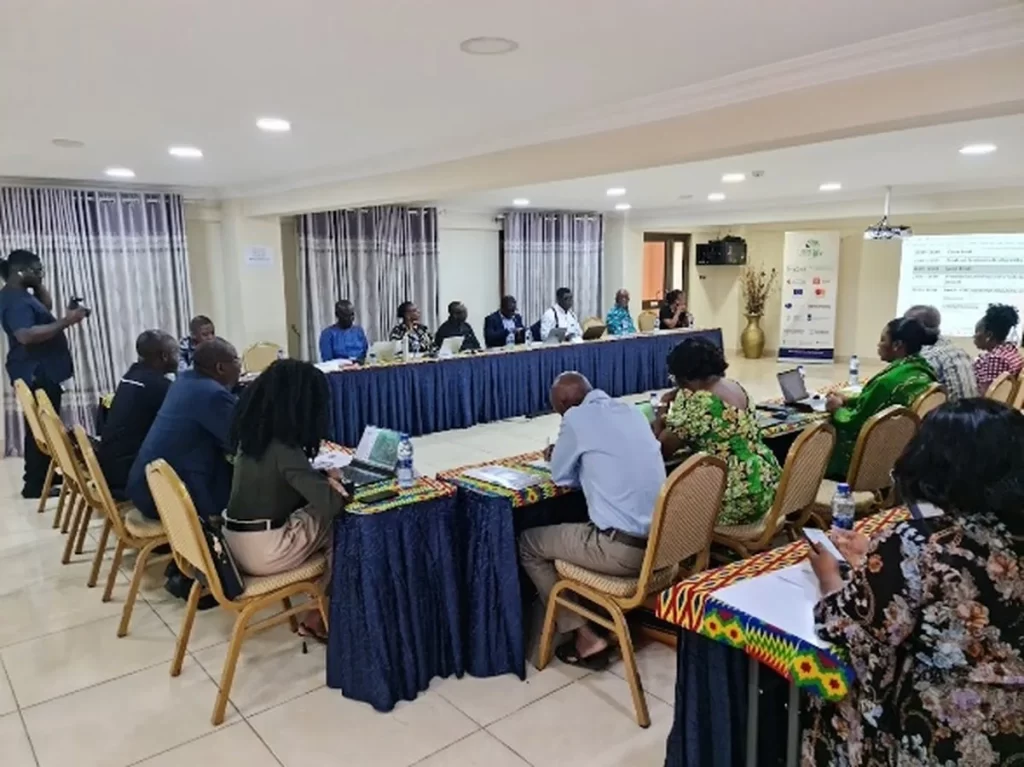
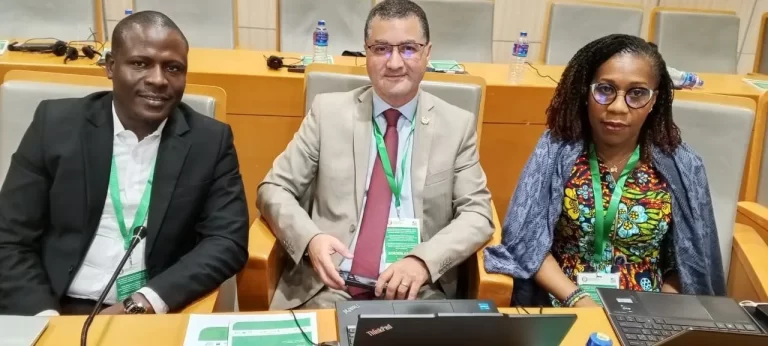
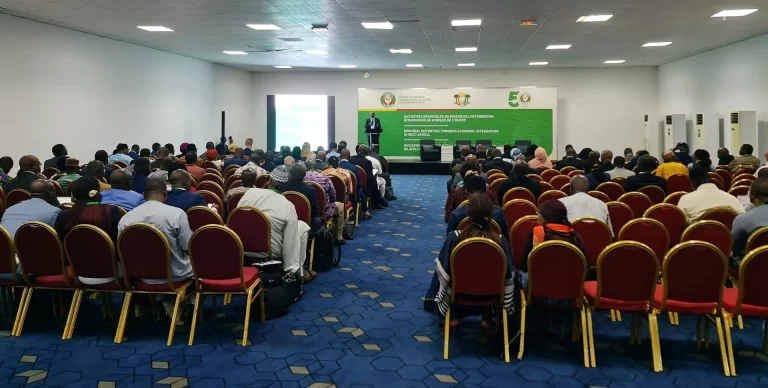
For three days in mid-March 2025, Koforidua became the working headquarters for Ghana’s trade facilitation community, as Borderless Alliance and other members of the National Trade Facilitation Committee of Ghana gathered for their first-quarter meeting. Unlike a routine committee sitting, this one was structured as a retreat, a format chosen deliberately to allow for the kind of sustained, uninterrupted work that a single-day meeting rarely permits.
The National Trade Facilitation Committee, known widely by its acronym NTFC-GH, is Ghana’s designated coordination mechanism under the World Trade Organization’s Trade Facilitation Agreement. Every WTO member that ratifies the Agreement is required to establish or maintain a body exactly like this one, bringing together the government agencies, private sector representatives, and civil society voices whose cooperation is needed to actually simplify and speed up cross-border trade rather than merely commit to doing so on paper.
The retreat’s first major task was reviewing the maturity assessment model, a diagnostic tool used to gauge how far Ghana has progressed in implementing its trade facilitation commitments. Maturity models of this kind work by scoring specific reforms, whether procedural, infrastructural, or legal, against defined benchmarks, giving the committee an evidence base rather than an impression of where the country stands. Revisiting the model at the start of the year gave members a shared, current baseline before they turned to planning ahead.
With that baseline in hand, the committee moved to developing its annual workplan, the document that translates the maturity assessment’s findings into a concrete sequence of actions for the year. This is where the retreat’s extended format paid off: workplans built through drawn-out negotiation in a single afternoon tend to be vague compromises, while three days of dedicated time allowed members to argue through priorities, sequencing, and resourcing in enough depth to produce something genuinely actionable.
The committee gave particular attention to its gender sub-committee, developing a workplan specifically for that body alongside the main one. Trade facilitation reforms do not affect all traders equally; women, who make up a substantial share of informal cross-border traders in West Africa, often face distinct obstacles at borders, from harassment to a lack of gender-disaggregated services. A dedicated sub-committee workplan is one mechanism for ensuring those obstacles get addressed deliberately rather than folded into general reforms where they can be overlooked.
Outstanding notifications to the WTO’s Trade Facilitation Agreement formed another substantial part of the agenda. Under the Agreement, member countries are required to formally notify the WTO of which provisions they can implement immediately and which they need more time or technical assistance to fulfil. Ghana, like many developing countries, has notifications still pending, and the committee used the retreat to consider what options remain available for moving them forward, whether through internal reform, external support, or a combination of both.
For Borderless Alliance, the NTFC-GH retreat represents one of the clearest venues in which the organisation’s advocacy translates directly into policy input. Where forums and conferences often produce statements and commitments, a working retreat like this one produces a workplan with named actions and, implicitly, named responsibilities, giving Borderless Alliance and its fellow members a document they can subsequently hold the committee accountable to.
Koforidua’s selection as venue, away from the routines and interruptions of Accra, reflects a broader pattern in how trade facilitation bodies in Ghana organise their more substantive sessions. Retreats held outside the capital tend to produce more candid discussion among participants who might otherwise be pulled into unrelated meetings or office demands, and the choice signals that the committee treated the first-quarter session as genuinely deliberative rather than ceremonial.
The outcomes of the March retreat, the refreshed maturity assessment, the annual workplan, the gender sub-committee’s dedicated plan, and the review of pending WTO notifications, did not stay confined to Koforidua. They fed directly into the work the NTFC would carry out over the following months, including its second meeting later in the year, and they gave Ghana’s various trade facilitation actors a common reference point to measure progress against as 2025 unfolded.
What the retreat ultimately demonstrated is that trade facilitation reform in Ghana is not a matter of occasional pronouncements but of sustained, committee-driven planning, revisited and adjusted quarter by quarter. Borderless Alliance’s continued presence at these sessions, quiet compared to its role at high-profile summits, is nonetheless where much of the organisation’s practical influence over Ghana’s trade facilitation trajectory actually gets exercised.