
From Data to Action: Ghana’s Time Release Study Reaches the Implementation Stage
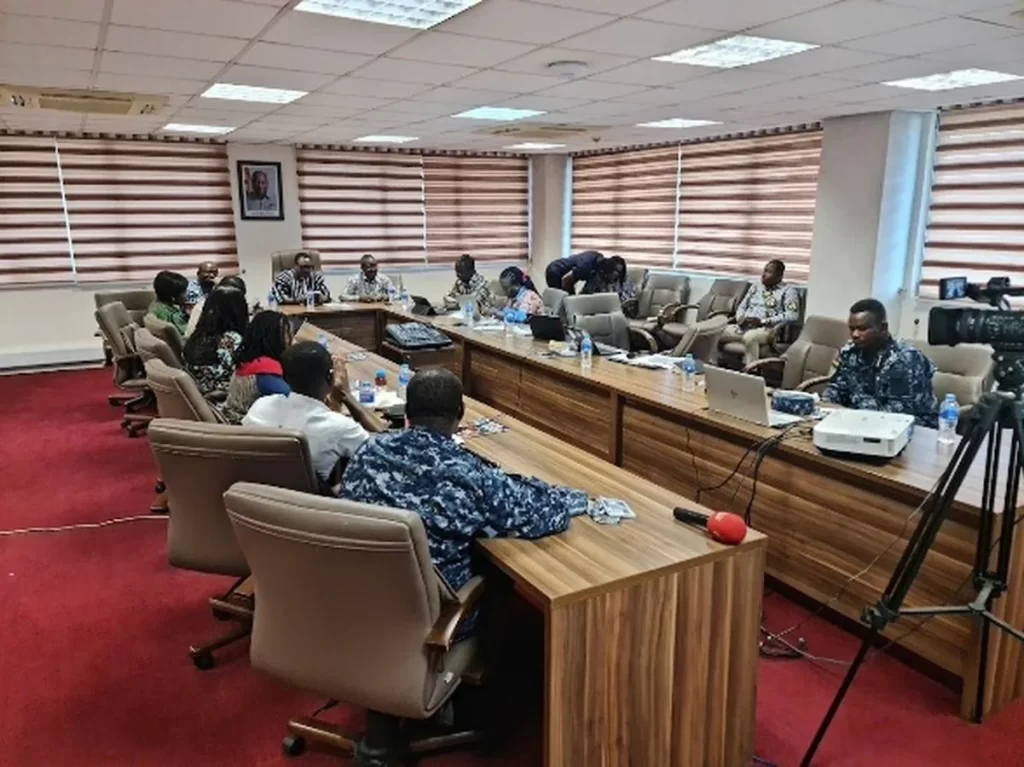
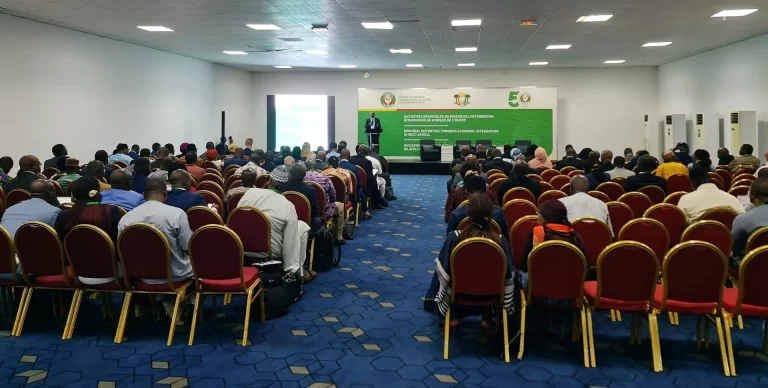
On 1 August 2025, Ghana Shippers House in Accra became the setting for a Technical Meeting that brought TradeMark Africa’s Country Programme Oversight Committee for Ghana together with the Ghana Revenue Authority and a select group of stakeholders, all convened by the Ghana Shippers Authority around a single, data-driven subject: the Time Release Study and what to do with its findings.
A Time Release Study is a specific and rigorous diagnostic tool used in customs administration, measuring precisely how long it takes for goods to move through each stage of the border clearance process, from arrival to final release. Unlike anecdotal complaints about slow borders, a Time Release Study produces hard, sequenced data: how much time is spent in documentation checks, in physical inspection, in payment processing, and where in that sequence the greatest delays actually occur.
That level of granularity is exactly what makes such studies valuable, and exactly why a dedicated technical meeting was needed to review its findings properly. General agreement that a border is slow does not tell agencies what to fix; a Time Release Study does, by pinpointing whether the bottleneck sits with documentary requirements, physical infrastructure, staffing levels, or coordination failures between the multiple agencies typically present at any Ghanaian border crossing.
The Ghana Revenue Authority’s direct involvement in this meeting reflects the reality that customs procedures sit at the centre of most Time Release Study findings. Any serious effort to act on the study’s results requires the buy-in and operational cooperation of the agency actually responsible for the processes being measured, which is why GRA was present not as a peripheral stakeholder but as a core participant in a meeting explicitly focused on this study.
The meeting’s stated purpose was twofold: to review the study’s main findings and to advise on developing and implementing a plan of action for its full implementation. This distinction matters. Commissioning a study and reviewing its results is one kind of institutional exercise; committing to a concrete implementation plan, with defined actions and presumably some accountability for carrying them out, is a considerably more demanding one, and the meeting’s framing made clear it was aiming for the latter.
Ghana Shippers Authority’s role in hosting reflects its position as a body directly representing the interests of importers and exporters who move goods through Ghana’s ports and borders, giving it a natural stake in ensuring that Time Release Study findings translate into real reductions in clearance time. An authority representing shippers has every incentive to push a technical study from the review stage into the implementation stage rather than allowing it to sit as an unused reference document.
For Borderless Alliance, participation in this meeting through its seat on TMA CPOC-GH connected directly to the organisation’s core advocacy focus on reducing the time and cost of cross-border trade. A Time Release Study, precisely because it quantifies delay rather than merely describing it, gives an advocacy organisation like Borderless Alliance a stronger evidentiary basis for pressing specific agencies to address specific bottlenecks, rather than making general appeals for faster processing.
The select group of stakeholders present alongside GRA and the CPOC committee likely included representatives from other border agencies whose processes intersect with customs clearance, since border delays in Ghana, as elsewhere in West Africa, rarely stem from a single agency’s inefficiency but from the cumulative effect of multiple agencies operating with limited coordination. Addressing the study’s findings meaningfully required input from across that agency landscape, not customs alone.
The meeting’s location in Accra, rather than at a specific border post, allowed decision-makers and technical staff to engage with the study’s findings analytically, away from the operational pressures of an actual clearance environment, while still keeping the discussion grounded in a specific, real dataset rather than general policy principles. This balance between analytical distance and evidentiary specificity is part of what gives a Time Release Study its practical power.
What began as a study became, through this meeting, the start of an implementation process, one that would require sustained follow-through well beyond the single day’s discussion at Ghana Shippers House. Borderless Alliance’s continued engagement on this front reflects a broader pattern across its 2025 activity: a consistent effort to ensure that diagnostic work on Ghana’s trade facilitation performance does not stop at diagnosis but proceeds all the way through to measurable action.