Ghana’s Voice at the Ministerial Table: Borderless Alliance at WTO MC14 in Yaoundé
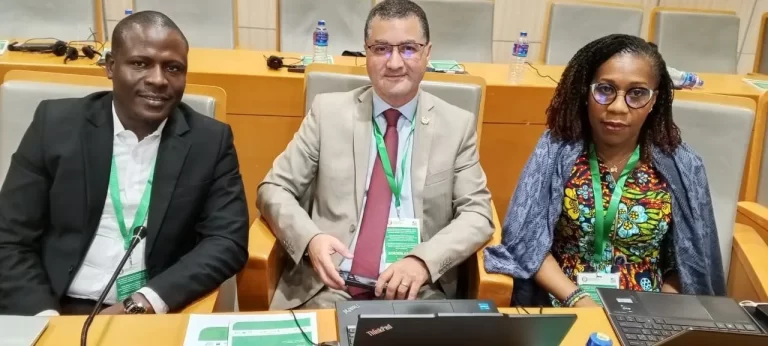
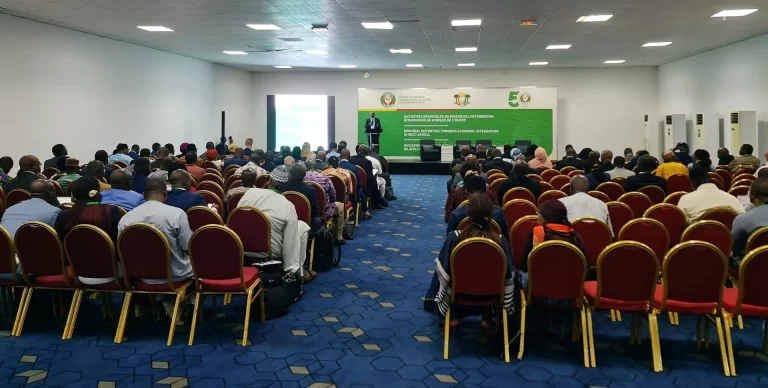
The 14th Ministerial Conference of the World Trade Organization, the WTO’s highest decision-making body, convened in Yaoundé, Cameroon, from 26 to 28 March 2026, drawing trade ministers and their delegations from across the WTO’s global membership. Borderless Alliance’s involvement came through Ziad Hamoui, National President for Ghana, whose presence at MC14 carried an unusually direct form of participation: a place on Ghana’s own official negotiation team.
Ministerial Conferences occur only once every two years or so, making each one a genuinely consequential moment in the multilateral trading system’s calendar, the point at which member governments negotiate and, when consensus allows, formally adopt new trade rules and commitments binding on the entire WTO membership. That Hamoui served on Ghana’s negotiating team, rather than attending purely as an observer or side-event participant, placed Borderless Alliance’s perspective directly inside the room where Ghana’s formal negotiating positions were being determined.
Hamoui’s negotiating role paired Ghana with Burkina Faso, a joint arrangement that reflects the practical reality of how smaller delegations often operate at large multilateral conferences, pooling resources, expertise, and negotiating capacity with a neighbouring country to cover more ground across MC14’s typically sprawling agenda of simultaneous working groups and issue areas than either delegation could manage entirely alone.
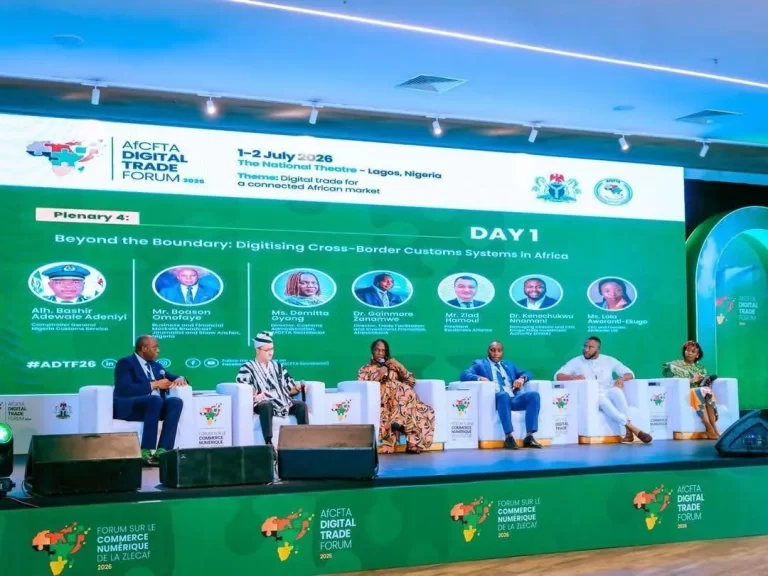
Beyond the formal negotiating track, Hamoui also took part as a panelist at a side event organised by the International Institute for Sustainable Development, known as IISD, in partnership with TradeMark Africa, focused specifically on digital trade. Side events at Ministerial Conferences serve a distinct function from the formal negotiations themselves, offering space for more exploratory, less binding discussion of issues that may not yet have reached the stage of formal WTO negotiating text.
Digital trade sits precisely in that exploratory space within the multilateral system. While the WTO’s formal rulebook continues to catch up with questions of cross-border data flows, e-commerce, and digital customs documentation, side events like the IISD-TradeMark Africa session provide a venue for practitioners and policymakers to work through these issues collaboratively, building the shared understanding that eventually feeds into more formal negotiating positions.
TradeMark Africa’s partnership role in convening the digital trade session connects directly to threads running through much of Borderless Alliance’s broader 2025 and 2026 activity, from the digitalisation panel at the UN LLDC3 conference in Turkmenistan to the emphasis on digital transformation of corridor logistics raised at the ECOWAS RTFC meeting in Banjul. Digital trade facilitation has become a consistent throughline across the organisation’s engagements, regardless of the specific forum.
Ghana’s participation in a joint negotiation team with Burkina Faso also carries a symbolic dimension worth noting: Burkina Faso, a landlocked country, and Ghana, a coastal state whose ports and corridors serve as a transit route for its landlocked neighbours, pairing up at a global negotiating table reflects the kind of practical, corridor-based interdependence that defines much of West African trade, translated here into formal multilateral diplomacy.
Yaoundé, Cameroon’s capital, hosting MC14 placed the Conference within Central rather than West Africa, a reminder that the trade issues Borderless Alliance engages with domestically in Ghana connect to a genuinely continental, and indeed global, negotiating architecture. Decisions and discussions at MC14 ripple outward to affect trade rules that Ghanaian and West African traders will operate under regardless of where the negotiations themselves physically took place.
For an organisation whose daily advocacy typically concerns the specific, granular friction points of a particular border crossing or corridor, a seat on a national negotiating team at a WTO Ministerial Conference represents engagement at the opposite end of the trade policy spectrum: global rule-making rather than local implementation. Hamoui’s dual role at MC14, formal negotiator and side-event panelist, allowed Borderless Alliance’s perspective to inform both registers simultaneously.
The three-day Conference in Yaoundé closed with whatever formal outcomes MC14’s negotiations produced now feeding back down through the WTO system toward eventual implementation, a process that, as Borderless Alliance’s own extensive engagement with Ghana’s WTO Trade Facilitation Agreement commitments elsewhere in this catalogue demonstrates, can take years to fully translate into changed practice at any single border post. Ghana’s presence at the negotiating table in Yaoundé was the opening move in that longer process, not its conclusion.